The four-layer SCADA architecture: from field devices to management
How management, operations, PLC control and field-device layers work together, and where redundant servers and industrial networks fit.
 ZHUOCHUANG / INSIGHT
A plant-wide SCADA platform is rarely isolated software. It is a layered system spanning field devices, PLC control, operations and management. Clear layers keep data, control authority and responsibility boundaries in the right place.
Field-device layer
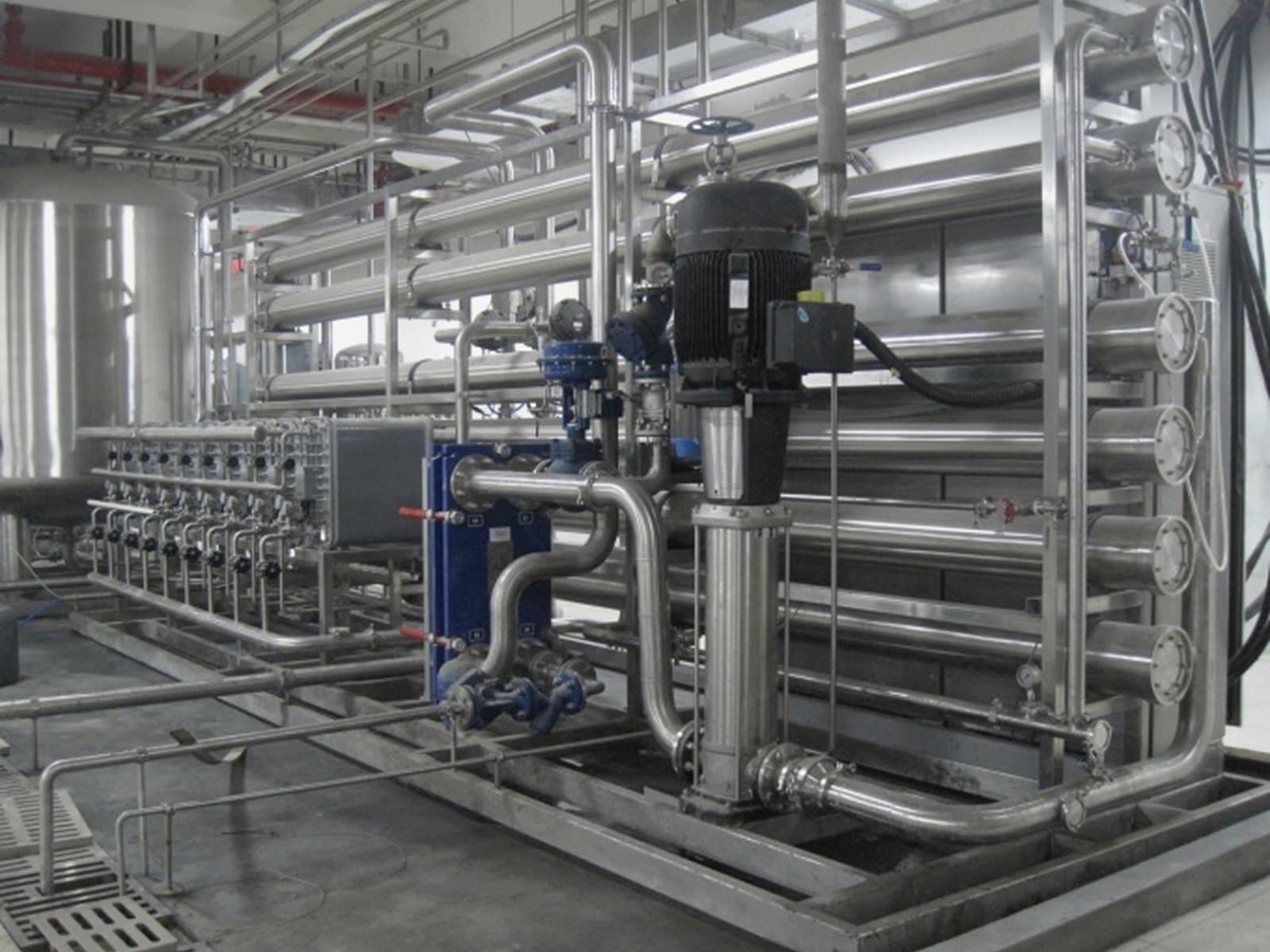
Flow, level and water-quality instruments, pumps, valves, drives, electrical equipment and other field actuators connect through 4–20 mA, DI/DO or communication interfaces.
PLC control layer
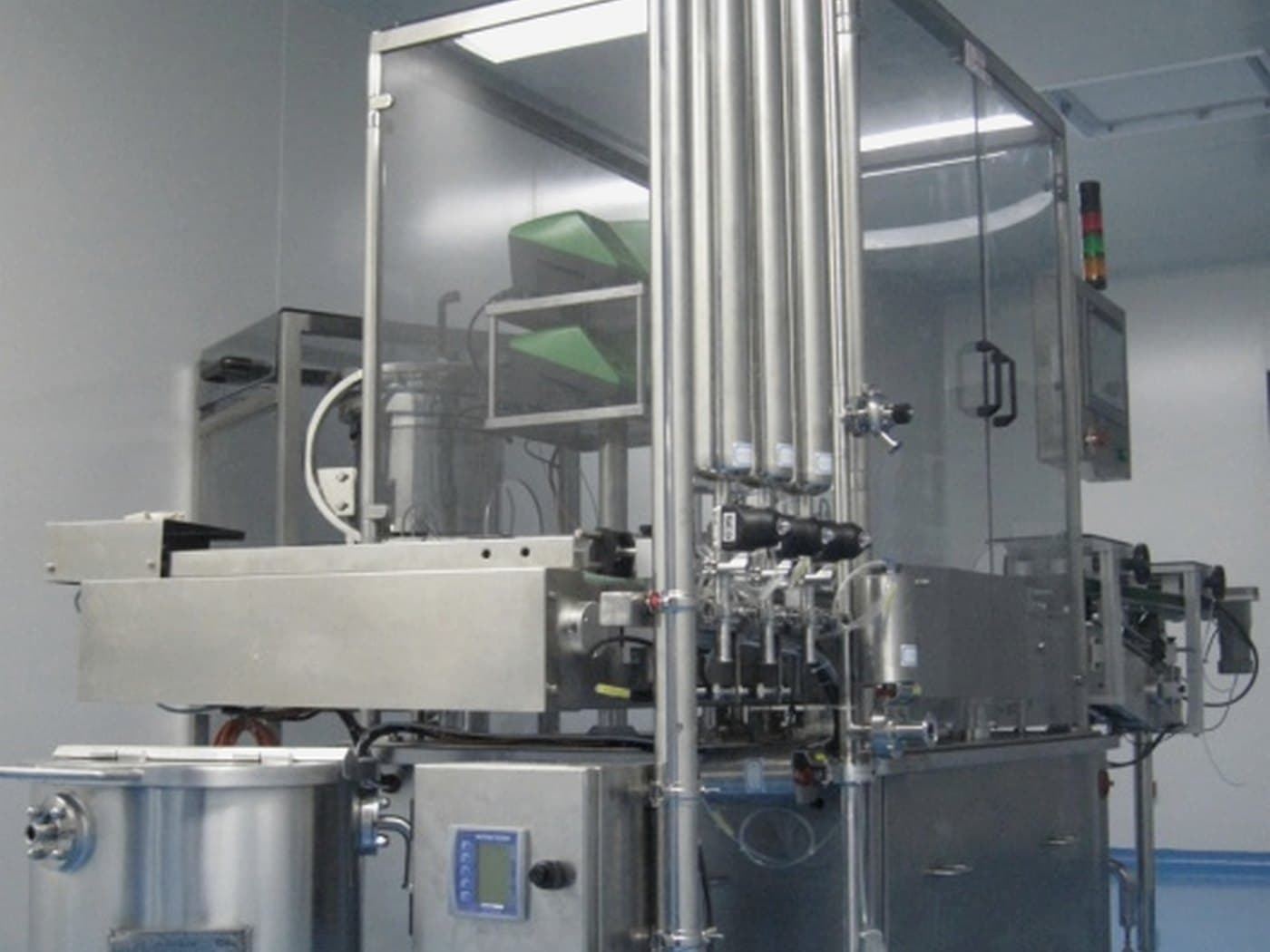
PLCs and distributed I/O perform equipment safety monitoring, sequence control, analogue regulation and interlocks. Some projects use redundant CPUs and networks to reduce the impact of single points of failure on continuous production.
Operations layer
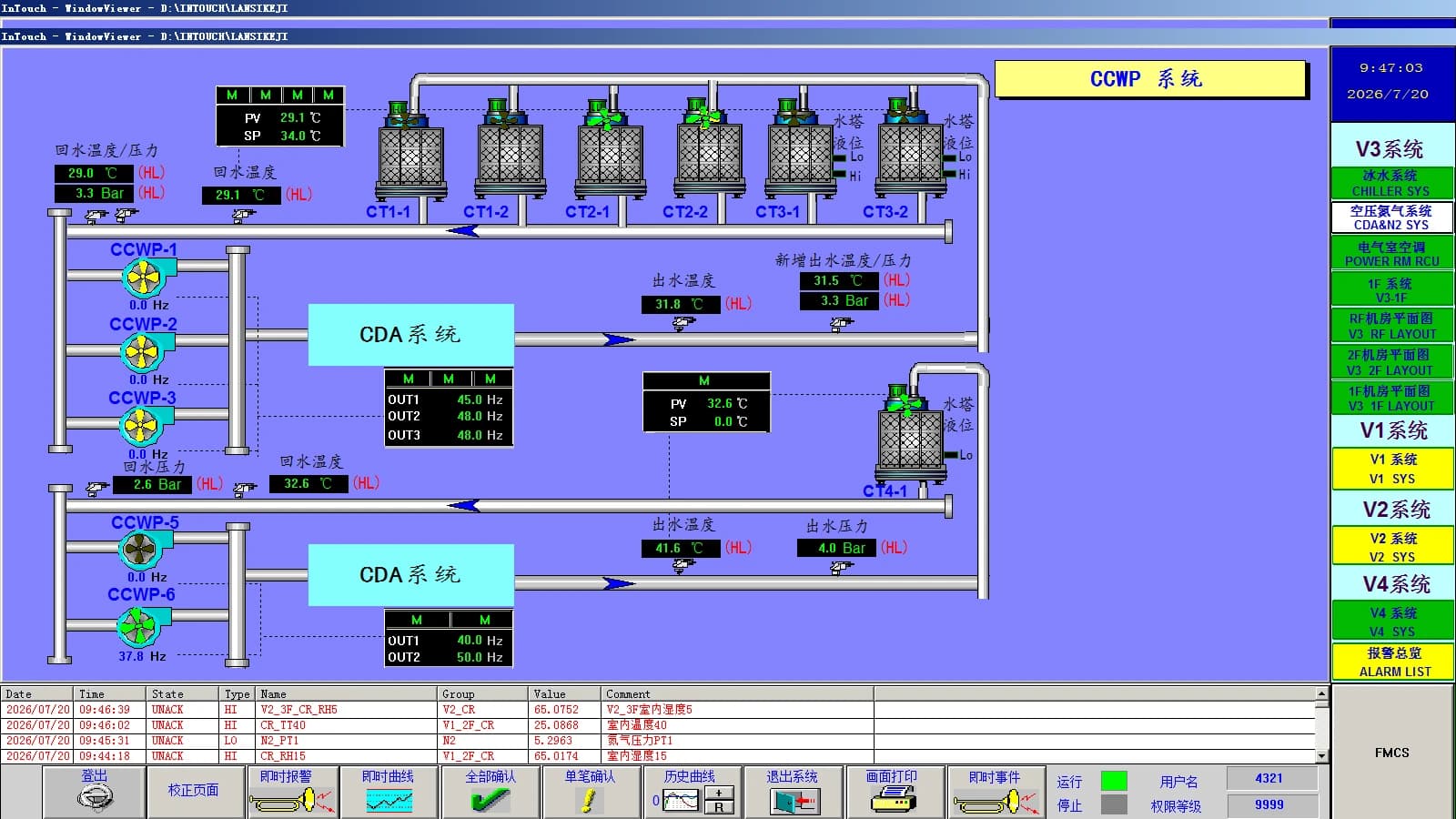
Operator and engineering stations connect to the control layer over industrial Ethernet or fibre rings, providing live graphics, alarms, trends, history, reports and recipe download. PCS, EMS, BMS and utility systems are organised into a unified operating view here.
Management layer
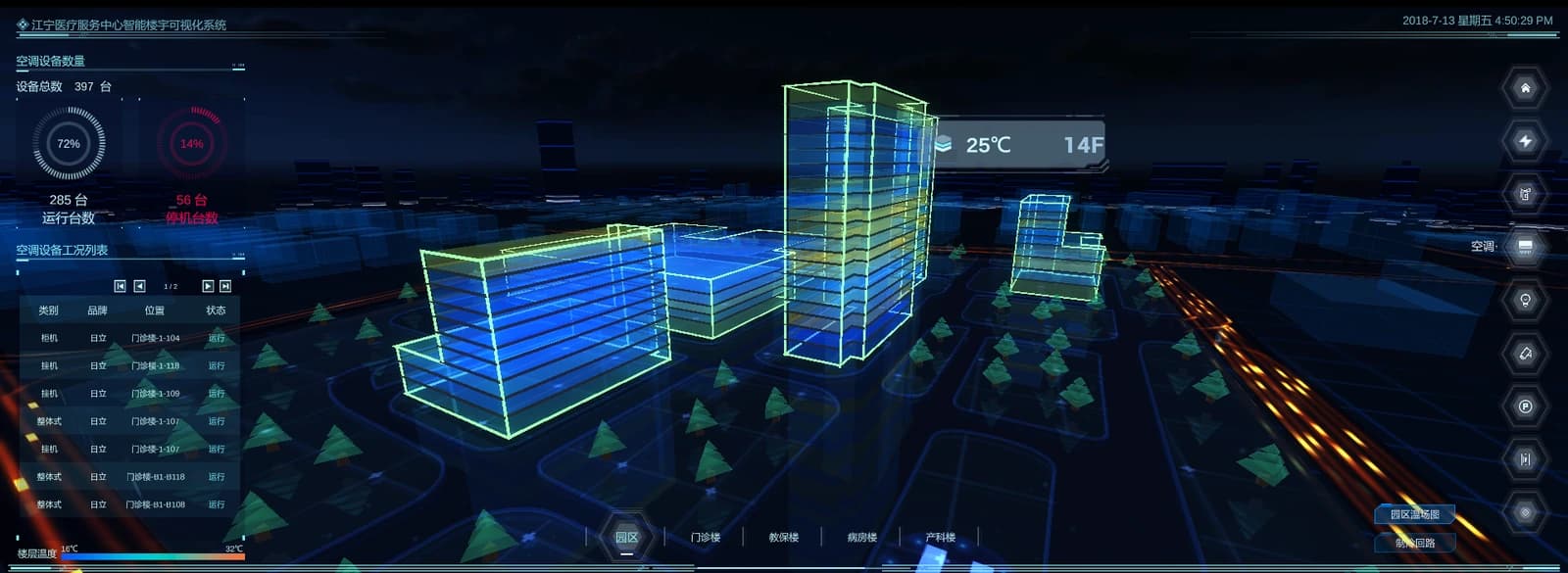
The management layer supports operating decisions with multi-site, energy, performance and reporting data. Production and management networks should be separated according to security requirements, with remote access through controlled channels.
Server configuration, network topology and subsystem scope are defined by project scale and the technical agreement.