Three control strategies for HVAC energy retrofits
From chiller staging and pump pressure control to terminal coordination—savings must not compromise environmental stability.
 ZHUOCHUANG / INSIGHT
HVAC energy often accounts for a significant share of total electricity in plants and commercial buildings. Effective savings are not about simply lowering setpoints or switching equipment off—they come from making supply follow actual demand.
1. Optimised chiller staging
Select chiller combinations based on load prediction and efficiency curves, avoiding multiple machines at low load. Apply minimum runtimes and load thresholds to prevent excessive cycling.
2. Pump pressure and Delta-T control
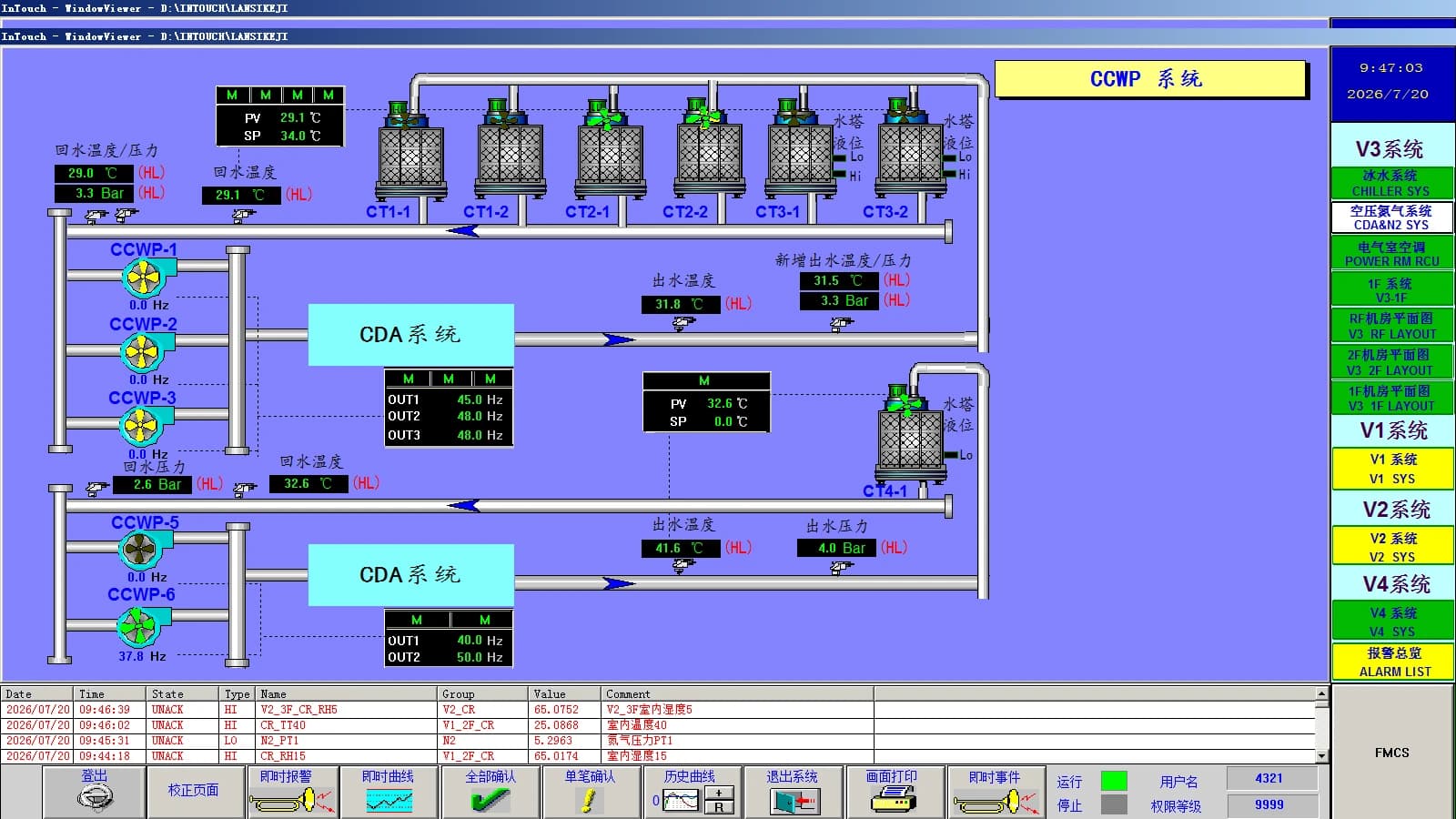
Constant differential-pressure control is simple and reliable but can oversupply at part load. Where the most disadvantaged loop pressure is maintained, Delta-T or worst-valve feedback can be introduced for optimisation.
3. Terminal and fresh-air coordination
Terminal valve position, indoor CO₂ and fresh-air demand should inform system decisions. In cleanrooms, adjustments must prioritise pressure and cleanliness.
Safety boundaries
Optimisation requires explicit limits and exit conditions. Manual override, safety interlocks and fault fallback should be designed up front, not added after go-live.