Selecting and installing online water quality instruments
Instrument selection is not only about range and accuracy—sampling conditions, reagent maintenance and data compliance determine success.
 ZHUOCHUANG / INSIGHT
The reliability of online water quality monitoring depends heavily on design beyond the analyser itself: whether the sampling point is representative, whether lines will clog, whether conditioning is sufficient and whether maintenance intervals are realistic.
Understand the sample first
Water quality varies greatly across processes in suspended solids, oil, corrosivity and temperature. Collect information for normal and abnormal conditions before selection, and test on site where necessary.
Sampling and conditioning
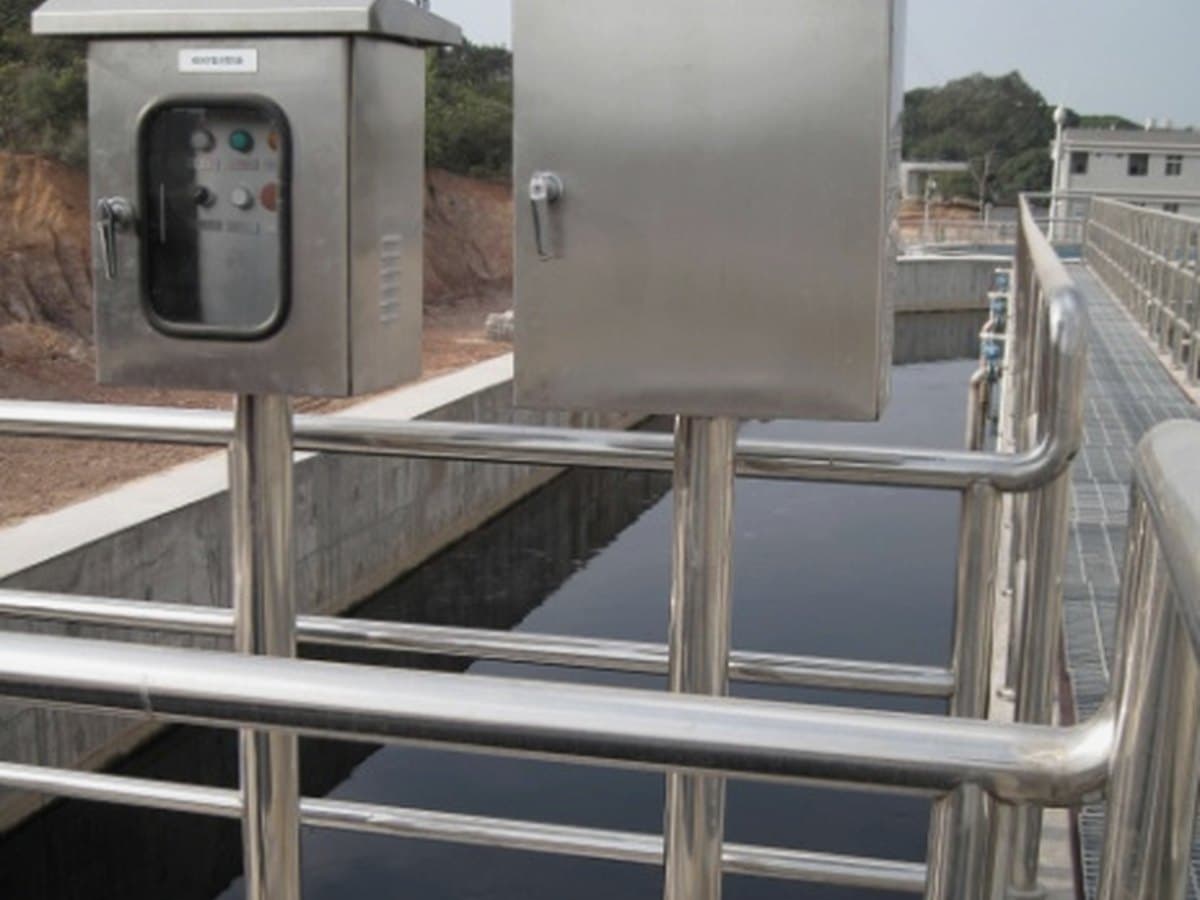
Sampling points should avoid dead zones and short-circuiting; line length and velocity must meet analyser requirements. For high-solids samples, design filtration, backflush and auto-cleaning, with a maintenance bypass.
Data compliance
For regulatory data, focus on calibration records, QC samples, abnormality flags and data replay. The system should retain raw data and operator records, not just final reports.
- Confirm parameters, ranges and detection limits
- Evaluate reagent supply and maintenance cost
- Design representative sampling and conditioning
- Validate acquisition, storage and reporting pathways